
5 Tips for Therapists Who Want to Travel More Without Sacrificing Profit in 2026
Over the past few years, more therapists have started asking a powerful question:
What if my business could support a life of travel, spaciousness, and ease without sacrificing my income?
It's a question I hear every day from clinicians in my community. We're trained to help others navigate hard seasons, make meaningful changes, and feel less alone in the process. But many therapists quietly wonder whether their own work can support rest, flexibility, and financial stability at the same time.
That tension between the work we do and the lives we want is what inspired this three-part series on therapist profitability in 2026.
In this first blog post, I spoke with four therapists and business experts who have intentionally built businesses that support both income and freedom. I'm also sharing one foundational strategy I use with therapists who want their finances to support their lives, so they can travel more and live with flexibility.
If you've been dreaming about working abroad, taking extended time off, or hosting retreats without watching your income dip, this post is for you.
Let's explore what's possible.

Nosara, Costa Rica. My first time speaking internationally, teaching therapists about cash flow, profit and building a business designed around the life you actually want. This trip wasn’t luck. It was intentional.
Tip #1: Diversify Your Income Streams
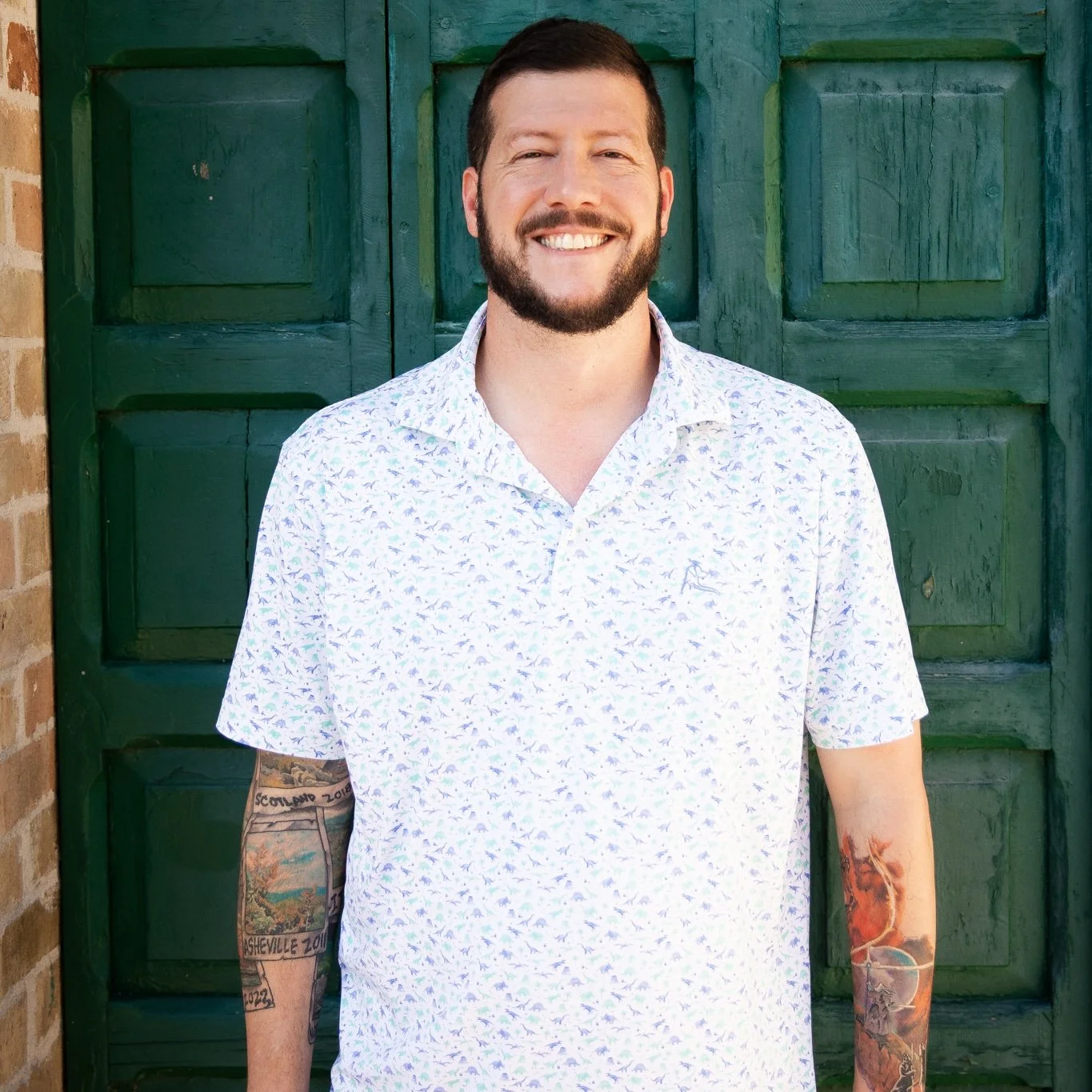
Patrick Casale, LCMHC, Founder of All Things Private Practice, AuDHD TedX speaker, Group Practice Owner, Podcaster, Retreat and Conference Host
"As therapists, we often tell our clients to build lives that feel aligned, spacious, and fulfilling. Yet so many of us end up chained to our laptops, missing out on the freedom we crave."
Patrick has walked this path himself. He's an AuDHD TEDx speaker, mental health therapist, group practice owner, host of two globally recognized podcasts (All Things Private Practice and Divergent Conversations), and host of 22 international retreats.
At the core of his work is a simple guiding principle: create income that is not tied exclusively to one-to-one therapy sessions.
Patrick encourages therapists to add revenue streams like coaching, retreats, courses, speaking, or digital products. This kind of diversification allows income to continue even when you step away from your laptop.
He also emphasizes systems that can function without you. Email funnels, project management tools, and support from a virtual assistant help ensure your business keeps moving even when you're offline. The goal isn't to recreate burnout in a different location. It's to design a business that supports intentional working travel.
Retreats, in particular, offer a powerful way to blend income and adventure. They allow therapists to generate revenue, build community, and travel while offering clients meaningful transformation.
Patrick's final reminder is one many therapists need to hear:
"You'll never feel ready. The growth happens in the discomfort. Doubt Yourself, Do It Anyway."
Learn more about Patrick: All Things Private Practice | Instagram | All Things Private Practice Podcast
Tip #2: Reevaluate Your Insurance Contracts and Income Gaps
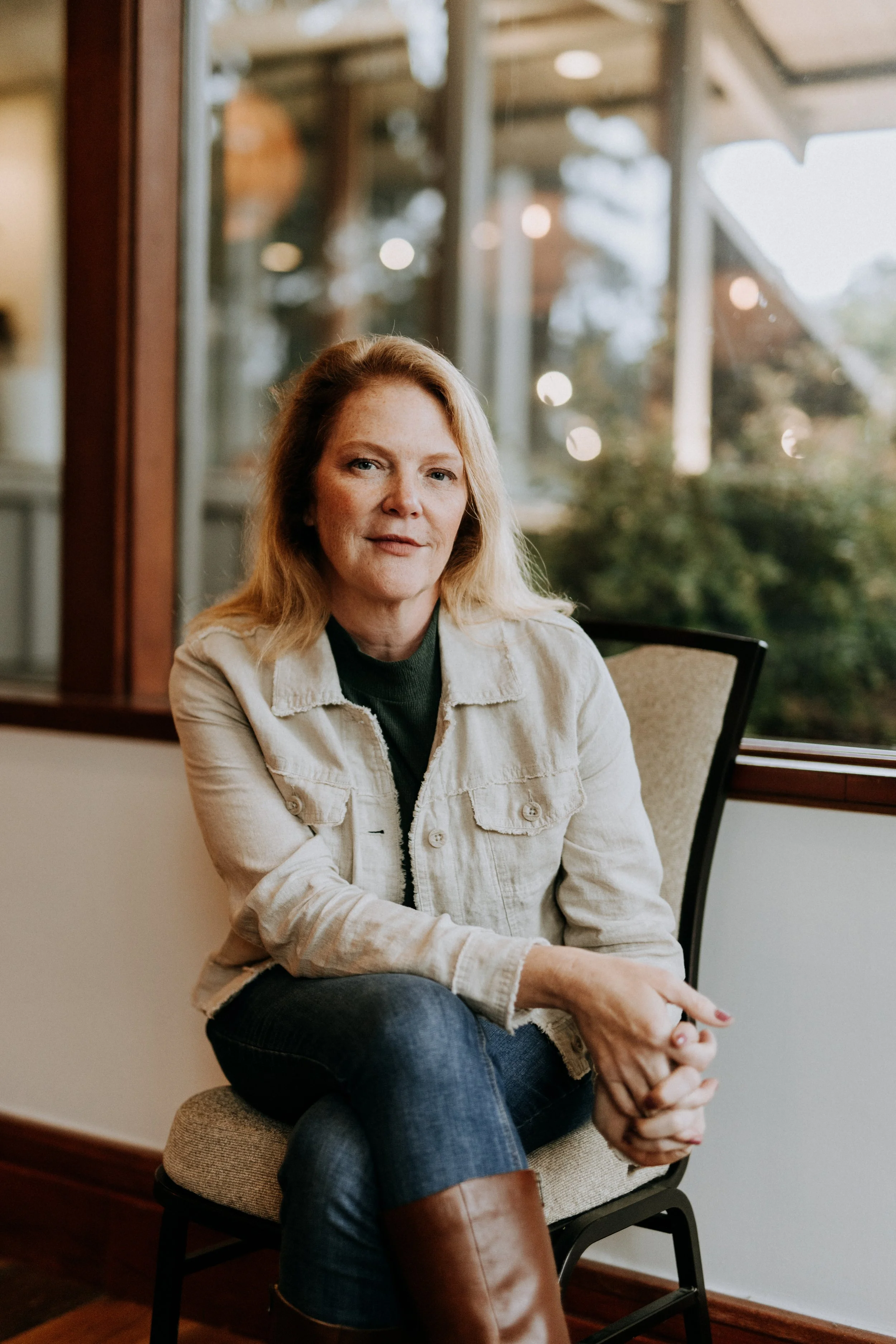
Kym Tolson, LCSW, The Traveling Therapist, Podcast Host, AI Consultant, Insurance Billing Expert
Kym built her business while traveling internationally, and her work centers on helping therapists get honest about whether their income actually supports the life they want. This is especially important for therapists who are insurance-based.
She encourages clinicians to slow down and look closely at their numbers rather than avoiding them or assuming things will work themselves out.
"Look at your 90791s and your 90837s and ask yourself: Are these rates actually sustainable for the lifestyle I want to live?"
For many therapists, the answer brings up discomfort. Kym sees that discomfort as useful information.
She recommends keeping your highest-paying insurance panels and reconsidering contracts that consistently create financial strain. If certain panels are no longer sustainable, that may mean transitioning part of your practice to private pay or offering superbills.
Kym also encourages therapists to think beyond adding more client hours. If you have a waitlist or a clearly defined niche, a digital product, mini-course, or short-term group can generate income without increasing your weekly caseload.
At the heart of her approach is a shift toward one-to-many work. Whether it's a digital download or a cohort-based group, these models allow therapists to help more people in less time while protecting their energy.
Kym walks her talk. With more than 20 income streams, she's built a travel-friendly business designed to work smarter, not harder.
Learn More about Kym: The Traveling Therapist | Instagram | The Traveling Therapist Podcast
Tip #3: Build a Business Around the Freedom to Travel

Gabrielle Juliano-Villani, LCSW, Burnout Coach and Business Consultant
"For me, traveling is non-negotiable. So I built my entire business to support that."
Gabrielle began her work with one-to-one coaching and consulting. Early on, she realized that if travel was going to remain a core value, her income couldn't depend entirely on her availability.
Rather than trying to fit travel in around her business, she built her business to support it.
One way she did this was by booking speaking engagements in places she wanted to visit. This allowed travel to align with both income and professional growth, while also making travel expenses more financially sustainable.
Gabrielle also emphasizes building and nurturing an email list. Her audience knows who she is and what she offers. That trust allows her to run launches and sales even when she's away from her computer.
Creating offers that can sell without constant hands-on involvement was another key shift. During a recent trip to Spain and Greece, she earned $3,200 from a course bundle sale while being largely offline. That result didn't happen overnight. It came from years of audience-building, developing relevant offers, and setting up systems that could run without her daily presence.
She also recommends bundling and pre-scheduling whenever possible. By scheduling social posts, email campaigns, and automations ahead of time, she's able to step away, stay present on the retreat, and still see her business continue to generate income.
"My courses were still selling, my templates were still being downloaded, and I was fully present on the retreat. That's what intentional business design can do."
Learn More about Gabrielle: Website | Upcoming Retreats | Instagram |
Tip #4: Design Your Schedule First
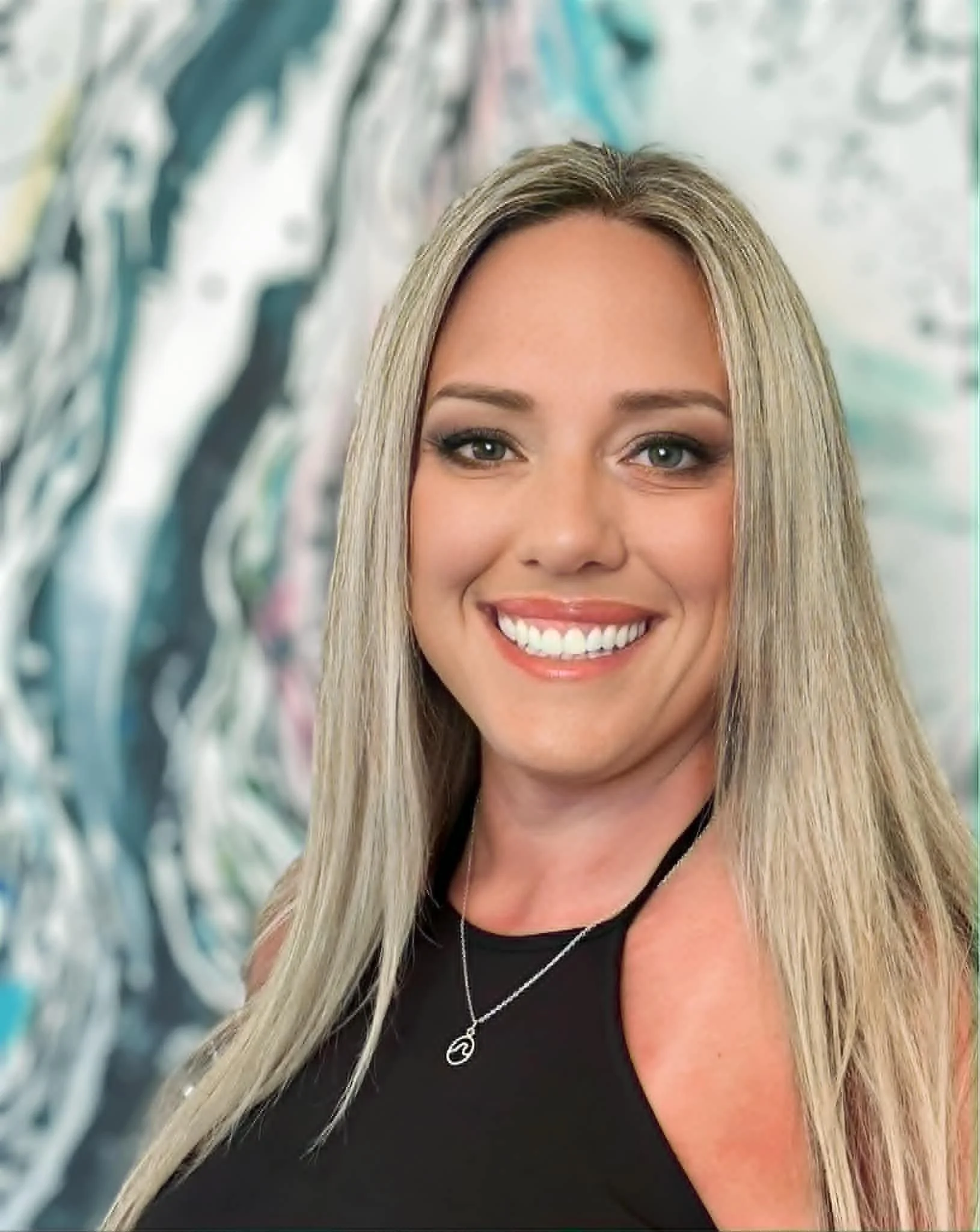
Denielle Rigoglioso-Lambert, LPC, CSAC, Private Practice Business Strategist for Therapists and Retreat Host
When I joined Denielle's Costa Rica retreat as a guest speaker, I saw firsthand how intentionally she designs her business to support both rest and profitability.
Her guiding principle is simple: profit follows structure.
Denielle encourages therapists to design their schedule before setting income goals. Rather than fitting time off around work, she recommends planning rest, travel, and personal time first, then reverse-engineering the business to support it.
"Plan your time off first, then reverse-engineer your income goals to make that work."
This often looks like front-loading workweeks, planning by quarter instead of week to week, and being honest about how much clinical work actually feels sustainable. In her own business, that structure has made three-day workweeks and four weeks of vacation a year possible, without sacrificing income.
She also speaks openly about using telehealth with intention. Travel doesn't need to mean constant availability. A lighter caseload, aligned with time zones and energy, can preserve income without turning time away into burnout.
Automation plays a key role in this model as well. Scheduling, payments, referrals, and communication systems should continue to function even when you're offline. When the infrastructure is solid, stepping away becomes possible without everything grinding to a halt.
Denielle Rigoglioso-Lambert is a business strategist for therapists, retreat host, and creator of the 9-Thrive Private Practice Accelerator. She helps clinicians build practices with clear profit roadmaps and sustainable cash flow systems, without increasing their caseload. Her next Pura Vida Private Practice Retreat in Costa Rica is January 2027. I'll be joining her again as a guest speaker.
Learn more about Denielle: Pura Vida Retreat details | Saltwater Coaching & Consulting | Instagram
Tip #5: Start With the End Goal in Mind
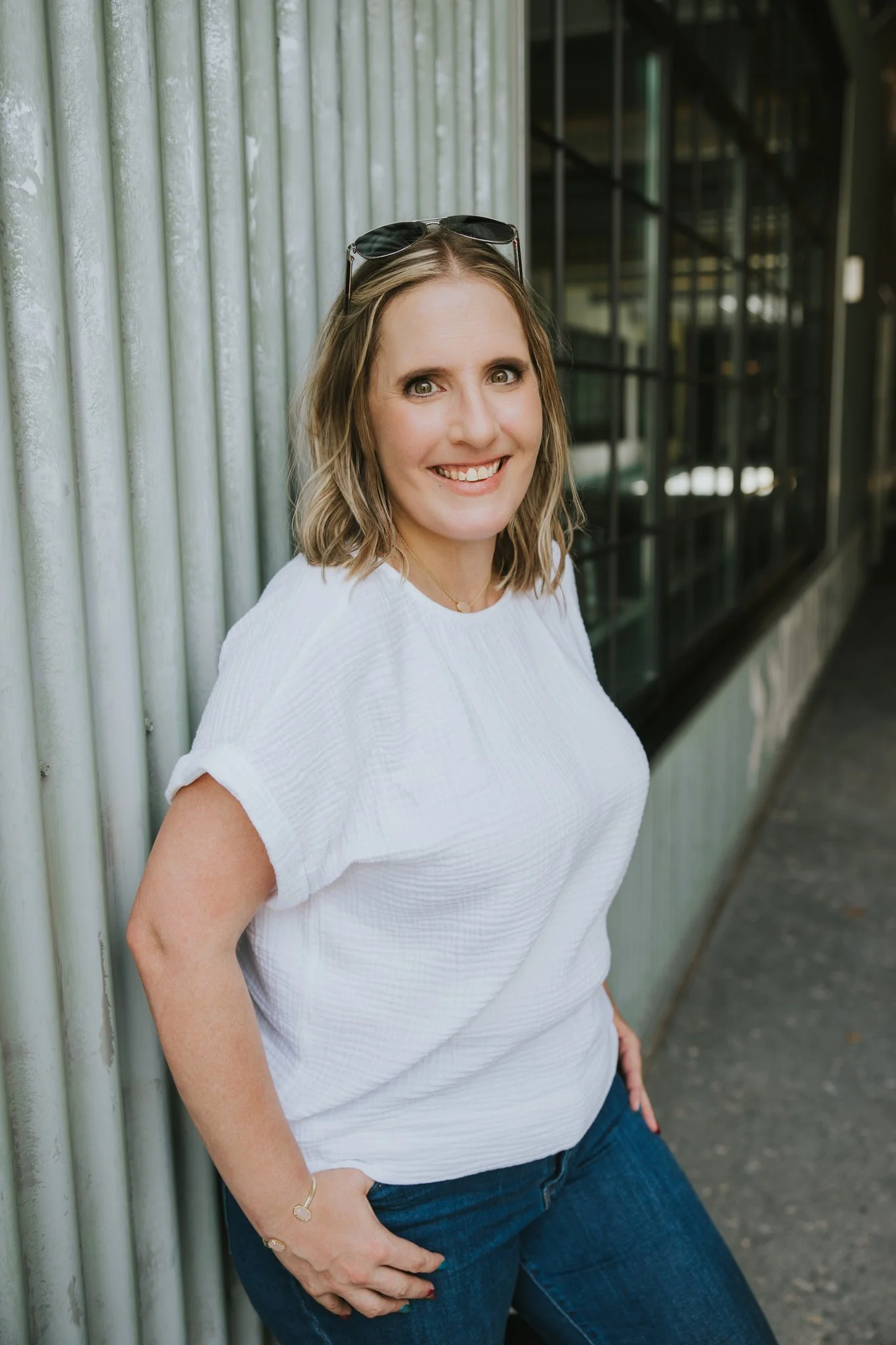
Maren Londahl-Smidt, LCSW | Cash Flow and Business Strategist for Therapists | Profit for Keeps® Certified Coach | International Speaker
This is the foundation of my work with therapists.
Rather than starting with a generic revenue number, I encourage clinicians to begin with their life. When you know what you're building toward, your financial decisions become much clearer.
Instead of asking "How much should I make?" try asking:
Where do I want to live, visit, or retreat to in 2026?
How much time off do I want each year?
What kind of work do I want to be doing day to day?
How do I want my weeks to feel?
From there, you can reverse-engineer your revenue goals and create a business model that supports the life you want. This is the heart of the Profit for Keeps® framework, and it's what makes financial planning feel less like restriction and more like design.
Every expert featured in this post has income beyond one-to-one therapy. None of it happened by accident. Each built intentionally over time, with structure, clarity, and support.
If you've ever felt stuck or uncertain about your finances, know this: there's no single right way to build a therapy practice. You get to design something that reflects your values, your capacity, and the life you actually want to live.
Learn More about Maren: Balance & Beyond Coaching Solutions | Instagram
Time to Implement
Learning is great. Transformation happens when you take action.
Start by getting clear on your numbers. The free Profitable Therapist Calculator will show you exactly what your practice needs to bring in to support the life you want.
Want to go deeper? The free 5-day Predictable Pay Challenge with Maren Londahl-Smidt and Amber Dugger kicks off July 27. Join Profit for Keeps® for Therapists to be the first to know when registration opens.
This is Part 1 of a three-part series on therapist profitability in 2026. Part 2 covers what every therapist should know before launching a practice if they want it to be profitable from day one. Part 3 covers how to see fewer clients and still grow financially.
Here's to profit, purpose, and the life you're building.
This is financial education, not financial advice.
